
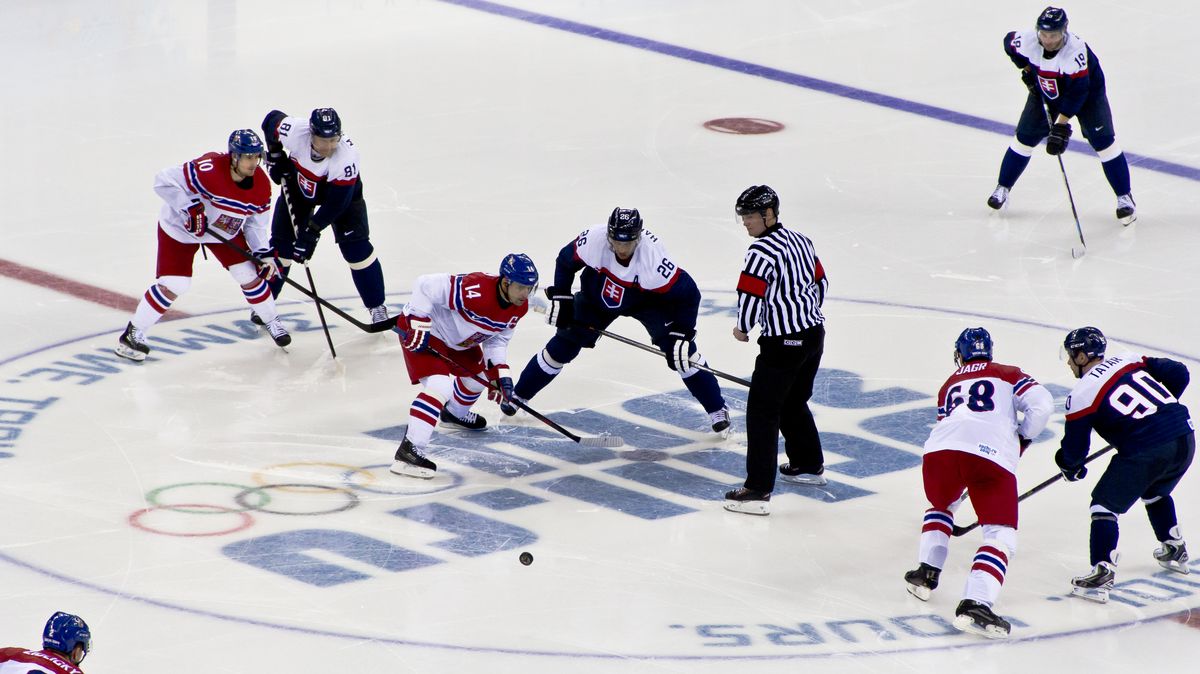
Prevent Common Hockey Injuries With Physical Therapy Exercises
Hockey is fast, physical, and demanding. Hits happen. Falls happen. And injuries are part of the game.
But here’s the good news: many common hockey injuries can be prevented or reduced with the right strength training, mobility work, and physical therapy.
Whether you’re a youth player, adult league skater, or goalie, preparing your body matters. And if you do get hurt, the right physical therapy plan can help you recover faster and get back on the ice safely.
At Body Solutions Physical Therapy in Draper, Utah, we work with athletes to prevent injuries, treat pain, and build strength specific to their sport—including hockey.
Why Hockey Players Get Injured So Often
Hockey combines speed, contact, sharp turns, and awkward body positions. Players skate at full speed, stop suddenly, twist, collide, and fall. Over time, this puts stress on the joints, muscles, and spine.
Injuries also vary by position. Forwards, defensemen, and goalies all move differently and face different risks.
Let’s break down the most common hockey injuries and how physical therapy can help.
Head and Neck Injuries
Concussions and Head Injuries
Concussions are one of the most serious risks in hockey. They happen when the brain moves inside the skull after a hit or fall. Symptoms can include:
Headaches
Dizziness
Confusion
Sensitivity to light
Multiple concussions can cause long-term issues, so proper recovery is critical.
Prevention tips:
Always wear a properly fitted helmet and mouthguard
Stay aware of your surroundings on the ice
Strengthen your neck muscles to help absorb impact
Neck Injuries
Neck strains and sprains are common from whiplash or getting hit into the boards. In rare but serious cases, neck injuries can involve the spine.
If you ever suspect a neck injury,don’t moveand get medical help right away.
Once cleared, physical therapy focuses on:
Restoring neck strength
Improving mobility
Reducing stiffness and pain
Upper Body Injuries (Shoulders, Elbows, Back, Wrists)
Shoulder Injuries
Falls and collisions often lead to:
Separated shoulders
Broken collarbones
Physical therapy helps restore shoulder strength and range of motion after injury and reduces the risk of re-injury.
Elbow Injuries
Common elbow issues include bruises, sprains, and bursitis from repeated impact.
Tip:Well-fitted elbow pads matter. Loose pads don’t protect you when you need them.
Back Injuries
Hockey puts constant strain on the lower back. Twisting, checking, and skating posture can lead to:
Muscle strains
Back spasms
Chronic low back pain
Strong core muscles are your best defense.
Physical therapy focuses on core stability, flexibility, and movement control.
Wrist Injuries
Wrist injuries often happen during falls, especially for newer players who instinctively reach out to catch themselves.
Learning how to fall safely and strengthening the wrists can help reduce risk.
Lower Body Injuries (Hips, Knees, Ankles)
Ankle Injuries
Quick stops and sharp turns can lead to ankle sprains or fractures.
Prevention includes:
Ankle strengthening
Balance training
Proper warm-ups
Knee Injuries
Hockey players commonly injure knee ligaments, including:
MCL injuries
ACL injuries
Any knee injury should be evaluated by a medical professional or physical therapist.
Hip and Groin Injuries
Skating places heavy demands on the hips and groin. Tight or weak muscles can lead to strains and long-term pain.
Physical therapy improves hip strength, flexibility, and control—key for powerful skating.
Goalie-Specific Hockey Injuries
Goalies face unique risks due to repeated kneeling, twisting, and lateral movement.
Common Goalie Injuries
Knee pain and ligament injuries
Hip flexor strains
Labral tears
The “butterfly” position puts high stress on the hips and knees, making proper conditioning essential.
Best Exercises for Hockey Goalies
Before starting any program, it’s smart to work with a physical therapist. At Body Solutions PT, we tailor programs to your position and body.
Common goalie-friendly exercises include:
Squats: Build leg and core strength
Single-leg squats: Improve balance and joint control
Lunges (especially lateral lunges): Strengthen hips and groin
Side-to-side bounds: Improve lateral power and stability
Hockey Strength and Conditioning Exercises
Lower Body
Squats
Deadlifts
Lateral lunges
Core
Hang cleans (for explosive power)
Core stability exercises
Ankles
Jump rope
Single-leg balance drills
Wrists and Upper Body
Bench press
Stick-handling drills with a ball
Agility and Conditioning for Hockey Players
Strength alone isn’t enough. Hockey demands speed and endurance.
Helpful training includes:
Stretching (especially hips and groin)
Sprints (on or off ice)
Jump training (box jumps, jump squats)
Lateral bounds
Hockey Exercises for Beginners
If you’re new to hockey, start simple:
Learn proper skating mechanics
Practice starting, stopping, and turning
Build puck-handling skills gradually
Focus on conditioning and flexibility
Don’t rush. Solid fundamentals reduce injury risk later.
How Physical Therapy Helps Hockey Players
Physical therapy isn’t just for rehab. It helps with:
Injury prevention
Faster recovery
Better performance
Long-term joint health
At Body Solutions Physical Therapy in Draper, Utah, we evaluate how you move and build a plan around your sport, position, and goals.
Ready to Stay Healthy and Strong This Hockey Season?
If you’re dealing with pain, coming back from an injury, or want to prevent problems before they start, Body Solutions PT can help.
We offer:
Hockey-specific physical therapy
Strength and conditioning programs
One-on-one care tailored to you
Body Solutions Physical Therapy – Draper, Utah
Schedule your appointment today and get back on the ice with confidence.
Your body is your biggest asset. Let’s keep it that way.


Facebook
LinkedIn