
How NFL Players Recover From Injuries With Physical Therapy
Super Bowl LX (60) will be played on February 8, 2026, at Levi's Stadium, home of the San Francisco 49ers. The game will air nationally on NBC and stream on Peacock, continuing the Super Bowl’s legacy as one of the most-watched sporting events in the United States — with recent broadcasts drawing more than 120 million viewers.
But while fans focus on touchdowns and highlight reels, there’s another story unfolding behind the scenes: how elite athletes recover from injury and stay in peak condition all season long.
At Body Solutions PT, we apply the same science-driven rehabilitation principles trusted at the professional level — helping NFL athletes and everyday patients recover faster, reduce re-injury risk, and return stronger than before.
Why Physical Therapy Is Essential in the NFL
NFL players endure repeated high-speed collisions, sudden directional changes, and extreme physical loads. Each season, teams report thousands of injuries across preseason and regular-season play.
Behind every roster is a medical performance team responsible for:
Accelerating injury recovery
Monitoring workload and fatigue
Preventing overuse injuries
Optimizing biomechanics
Extending career longevity
Professional football is not just about strength — it’s about movement efficiency and recovery science.
What Does an NFL Physical Therapist Do?
An NFL physical therapist works within a collaborative medical system that includes orthopedic physicians, athletic trainers, strength coaches, and sports scientists.
Core Responsibilities
Every program is individualized. No two athletes follow identical rehab plans — and neither should everyday patients.
At Body Solutions PT, we follow the same one-on-one model.
Most Common NFL Injuries in 2026
Professional football consistently sees high rates of musculoskeletal injuries due to impact forces and rotational stress.
1. ACL Tears
ACL injuries require 6–9 months of structured rehabilitation after reconstruction.
Modern rehab includes:
Progressive strength benchmarks
Neuromuscular retraining
Single-leg force testing
Agility and return-to-sport protocols
A well-known comeback example is Adrian Peterson, who tore his ACL and MCL in 2011 and returned the following season to rush for over 2,000 yards.
2. Concussions
The NFL uses strict graduated return-to-play protocols monitored by independent neurological consultants.
Rehabilitation may include:
Cognitive rest phases
Vestibular therapy
Controlled cardiovascular progression
Balance retraining
3. Hamstring and Soft Tissue Strains
Soft tissue injuries are among the most frequent in football.
Treatment focuses on:
Eccentric strengthening
Mobility restoration
Sprint progression protocols
4. Fractures and Shoulder Injuries
Recovery prioritizes:
Controlled bone loading
Joint stabilization
Strength rebuilding
Sport-specific reintegration
The goal is not just healing — it’s full functional restoration.
Real NFL Comeback Stories

Physical therapy has helped some of football’s biggest names return from serious injuries.
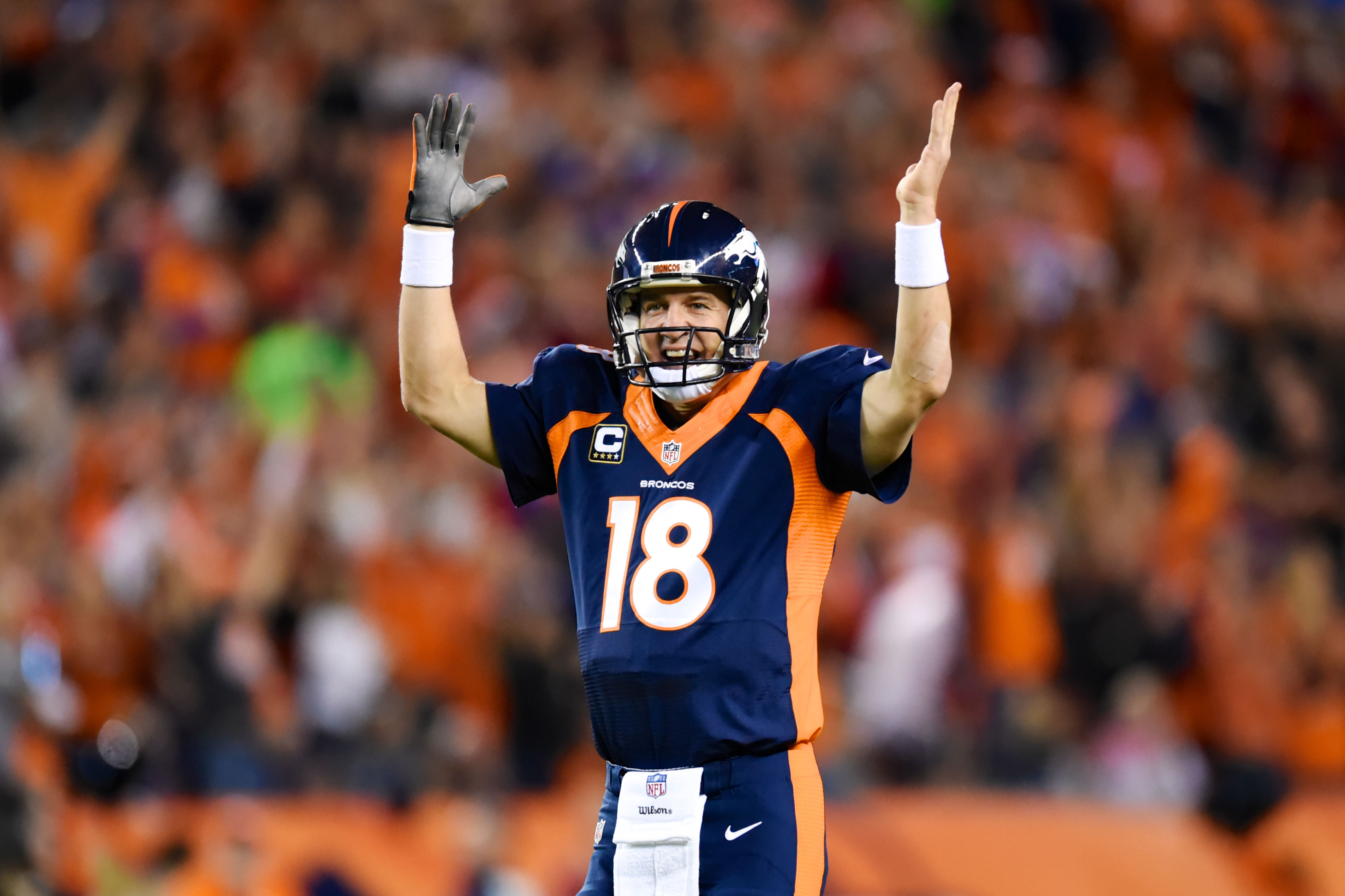
Peyton Manning missed the 2011 season after neck fusion surgery and returned with the Denver Broncos to throw 37 touchdowns in his comeback season.
Joe Montana overcame a severe spinal injury early in his career and went on to win multiple Super Bowls.
These recoveries were not accidental. They were structured, progressive, and medically supervised.
Advanced Recovery Technology Used by NFL Teams
Modern rehabilitation integrates technology and data-driven insights.
Cutting-Edge Techniques
At Body Solutions PT, we incorporate evidence-based versions of these approaches tailored to individual patient needs.
The Future of NFL Rehabilitation
In 2026, sports medicine continues evolving through:
AI-assisted injury risk modeling
Biomechanical data analytics
Rehabilitation robotics
Advanced recovery tracking systems
The trend is clear: smarter recovery leads to longer, healthier careers.
You Don’t Have to Play in the NFL to Train Like One
Whether you are:
A competitive athlete
Recovering from ACL surgery
Managing chronic knee pain
Rebuilding strength after injury
A weekend warrior training for your next event
Professional-level rehabilitation strategies can dramatically improve outcomes.
Things You Should Know Before Starting Physical Therapy
Early treatment shortens recovery timelines.
Strength symmetry reduces re-injury risk.
Movement screening prevents chronic issues.
Personalized care produces better results than generic protocols.
Consistency drives long-term success.
Choosing the right physical therapy provider directly impacts your recovery speed and performance ceiling.
Why Choose Body Solutions PT Utah?
At Body Solutions PT, we focus on:
One-on-one sessions with licensed physical therapists
Sports-focused rehabilitation protocols
Objective strength testing benchmarks
Clear recovery milestones
Injury prevention programming
We combine professional-level sports science with personalized patient care.
Frequently Asked Questions
How long does ACL rehabilitation take?
Typically 6–9 months, depending on surgery type, strength progression, and sport demands.
Do I need a referral in Utah?
Utah allows direct access to physical therapy, meaning a physical therapist referral may not be required.
Can physical therapy help avoid surgery?
In many sprains, strains, and overuse injuries, structured rehab can eliminate the need for surgical intervention.
Is this only for athletes?
No. We treat active adults, post-surgical patients, and anyone wanting to move pain-free.
Ready to Recover Like a Pro?
Super Bowl LX will showcase elite athletic performance. Behind that performance is elite recovery.
If you’re in Utah and want to experience NFL-level rehabilitation principles, we’re ready to help.
Call 801-347-8949 or schedule your consultation online today.
Recover smarter. Train stronger. Move better.


Facebook
LinkedIn